Information Evening Dublin
Thursday 19th March 2015 6pm - 9pm, Education & Research Centre, Our Lady's Hospice, Harold's Cross, Dublin
Please contact the office to register on 01 531 1150 or via the button below
Junk Foods Shrinks the Brain
We all associate junk food with a swelling of our waistlines but new research suggests that it may also contribute to the shrinking of the brain associated with dementia’s like Alzheimer’s disease. The good news? A diet rich in vitamins and fish may well have the opposite affect and protect us from these increasingly common and devastating disorders.
The findings come from a study published in the journal ‘Neurology’, which found that elderly individuals with high blood levels of vitamins and omega 3 fatty acids had less brain shrinkage and better mental performance than those with higher levels of ‘trans’ fats commonly found in fast food such as cakes, biscuits and fried foods.
Interestingly, researchers looked at the level of specific nutrients in the blood, rather than relying on questionnaires to assess a person’s diet. Blood samples were analysed from 104 healthy individuals with an average age of 87 who had few known risk factors for Alzheimer’s. They found those who had more vitamin B, C, D and E in their blood performed better in tests focused on memory and thinking skills. People with high levels of omega 3 fatty acids also had high scores. The poorest scores were found in people who had more trans fats in their blood.
The researchers also carried out brain scans on some of the participants. They found that individuals with high levels of vitamins and omega 3 in their blood were more likely to have a large brain volume, while those with high levels of trans fat had a smaller brain volume. This is only a very small-scale study and these findings need to be verified and hopefully replicated, as it was also carried out on healthy individuals so it is not clear whether some of these will go on to develop Alzheimer’s. However these findings also come on the back of research conducted last year at Oxford university that found that daily intake of a supplement containing vitamins B6, B12 and folic acid may help reduce memory decline associated with dementia by up to 70% in some individuals.
So what exactly should you be eating to reduce the risk of dementia?
- The Mediterranean diet, high in fruit, vegetables, fish, olive oil and wholegrains….oh yes – and a moderate amount of red wine, has been found to be protective against mental decline.
- Older individual’s who eat 3 portions of oily fish per week, such as sardines, mackerel, salmon, trout and herring appear to be much less likely to develop Alzheimer’s or similar conditions. This is believed to be due to the high content of the omega 3 fatty acids EPA and DHA found in oily fish.
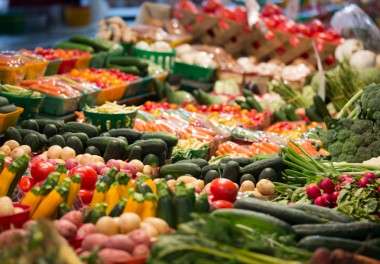
- High antioxidant foods, such as fruits, vegetables and wholegrains help protect the brain from damage and are protective against inflammation, which is associated with dementia. Aim to consume as many different coloured fruits and vegetables per day including red, green, purple, orange, yellow and white.
- Lecithin. Lecithin granules can be purchased from both supermarkets and healthfood shops and contains 2 fatty substance vital for brain function called phosphatidylcholine and phosphatidylserine. It can be sprinkled on breakfast cereal, salads and soups etc. These nutrients are also found in soybeans and egg yolks but very few other food sources.
- Other important nutrients include:
- Magnesium: whole grains, dried herbs, nuts and seeds, dark chocolate, molasses and whole fresh soy beans (frozen are fine and they taste a lot like peas).
- Vitamin B6: whole grains, dried herbs and spices, pistachios, seeds, molasses, liver, fish, garlic and pork.
- Vitamin B12: shellfish, fish, liver, red meat, cheese and eggs.
- Zinc: Oysters, liver, wheat germ, lean beef, lamb, seeds, peanuts and dark chocolate.
What to avoid:
There are many food favourites we could focus on here but the most conclusive evidence is against the following big offenders. Fill up on the foods above and you may not need to worry about the rest!
- Sugar. A diet low in sugar and refined carbohydrate has been shown to be protective against the development of dementia.
- Trans fats. Found at highest levels in any foods containing ‘hydrogenated’ or ‘partially hydrogenated’ fats. Check your labels!
- Aluminium. There is increasing evidence that aluminium toxicity may be linked to decreasing mental capacity. Those concerned may wish to avoid the use of aluminium cookware and cooking foil